Protecting Period Furniture on Thorney Street, Millbank
Posted on 18/06/2026
Protecting Period Furniture on Thorney Street, Millbank: A Practical Guide for Safe Moving, Storage and Everyday Care
Period furniture has a way of changing a room the moment it walks in. A Georgian chest, a Victorian sideboard, a well-loved dining table with a few honest marks in the wood - these pieces carry character, history and, quite often, proper sentimental weight. If you are protecting period furniture on Thorney Street, Millbank, the challenge is not just moving it without damage. It is preserving finish, joints, veneer, patina and that slightly irreplaceable feel that makes the piece worth keeping in the first place.
This guide walks through the whole process in plain English. You will learn why protection matters in a busy London setting, how to prepare before a move or storage period, which materials actually help, and where people most often go wrong. We will also touch on local realities, like tight hallways, mixed-age buildings, lift access and the occasional awkward stairwell. Not glamorous, but very real.
And yes, the best results usually come from a calm plan rather than a frantic last-minute wrap-and-go approach. Furniture tends to notice stress. Funny how that works.
Why Protecting Period Furniture on Thorney Street, Millbank Matters
Period furniture is not built like flat-pack furniture. It can be solid and robust in one sense, yet vulnerable in very specific ways. Veneer can lift if moisture gets trapped. Joints can loosen if the piece is dragged rather than lifted. Old polish can mark easily. Carved details, brass fittings and delicate legs can chip with a knock that would barely bother a modern cabinet.
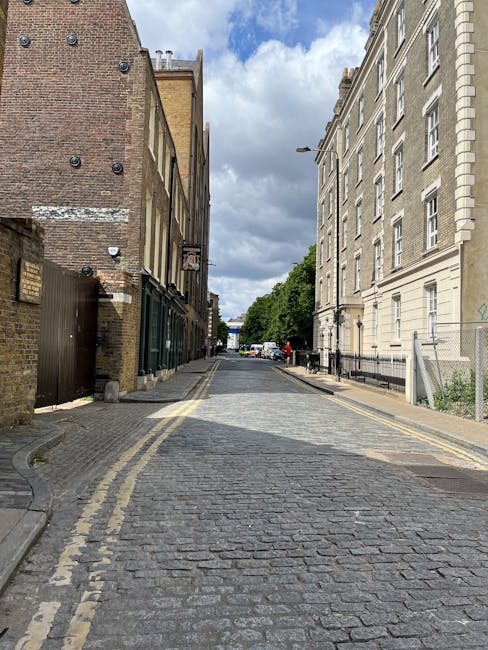
On Thorney Street, Millbank, the setting also matters. You are likely dealing with a mix of residential buildings, parking limitations, shared entrances and the usual London friction of getting large items in and out neatly. A scratched floor, a bumped door frame or a badly packed van can turn a straightforward move into an expensive headache. That is why protecting period furniture is really about managing risk before it happens.
There is also the emotional side. A lot of people do not keep a mahogany dresser or a carved table because it is convenient. They keep it because it belonged to family, or because it anchors a room, or because it simply has more soul than anything bought in a hurry. When a piece like that arrives damaged, the regret can outlast the repair bill by quite a bit.
Expert summary: the main job is not to "wrap the furniture up" in a generic way. It is to understand what the item is made from, where it is fragile, how it should be lifted, and what conditions it needs during transport or storage. That is the difference between basic protection and proper protection.
How Protecting Period Furniture on Thorney Street, Millbank Works
The process works by building layers of protection around the furniture and around the route it takes. In practice, that means three things: stabilising the item, cushioning the vulnerable parts and controlling the environment it moves through. The exact method depends on the item, but the principle is always the same.
Start by assessing the piece. Is it oak, walnut, pine, veneer, painted, lacquered or wax-finished? Does it have loose handles, removable shelves, glass panels, fragile legs or old glue lines? Older furniture often looks solid until you notice one drawer that sticks or a wobble in one corner. Small issues like that matter because movement puts pressure on them.
Then think about the route. A narrow doorway, a turn on the stairs, a lift with limited space, or a short carry across a paved area can all influence what protection is needed. A piece may need blankets and corner guards for one building, but a full custom wrap and careful dismantling for another. Truth be told, the building layout often shapes the packing plan more than the furniture itself.
Finally, think about where the furniture will sit after the move. If it is going into secure storage in Millbank, the protection needs to account for longer-term dust, humidity and stacking pressure. If it is going straight into a flat, the focus may be on safeguarding doors, skirting boards and the piece's finish during the final placement.
For readers planning the wider move as well, it can help to pair furniture protection with a broader moving plan such as smart packing from the outset and a calmer, more organised house move. The furniture does not live in isolation, after all. It has to survive the whole chain of events.
Key Benefits and Practical Advantages
Protecting period furniture properly brings benefits that are easy to see and some that only become obvious later.
- Less surface damage: fewer scratches, scuffs, dents and chipped edges.
- Better structural stability: joints, legs and detachable fittings stay under less stress.
- Cleaner arrival: the piece is less exposed to dust, grime and accidental marks.
- Reduced repair costs: proper packing usually costs less than restoring damaged veneer or re-polishing a finish.
- Peace of mind: you are not holding your breath every time the furniture passes a doorway.
- Longer lifespan: good handling habits help older pieces last longer in everyday use too.
There is another benefit people sometimes forget: good protection makes the whole move smoother. A wrapped and labelled item can be handled more confidently by movers, which reduces hesitation and, oddly enough, reduces rough handling. Confidence matters. So does clarity.
And when a piece is especially awkward or heavy, the right handling approach becomes part of protection itself. This is where a practical lifting plan, like the ideas discussed in kinetic lifting techniques, can make a noticeable difference. Good movement is part of good preservation.
Who This Is For and When It Makes Sense
This is not just for collectors with a house full of antiques. Period furniture protection makes sense for a wide mix of people on or around Thorney Street, Millbank.
- Homeowners moving a few cherished inheritance pieces.
- Flat residents who need to get bulky furniture through tight communal spaces.
- Landlords and tenants managing furnished rentals with older pieces included.
- Students or short-term movers who are temporarily storing inherited furniture over summer.
- Interior lovers who use one period piece as a statement item in a modern room.
- Anyone using storage while renovating, redecorating or waiting for the right property.
It also makes sense when the furniture has an unusual shape. Tall mirrors, drop-leaf tables, carved cabinets, grandfather clocks, console tables with fragile legs - these items can look manageable until you try to angle them through a hallway. One little misjudgement and the corner takes the hit. That is the sort of thing people only need to experience once.
If the move is sudden, a same-day plan may be required, but the standards do not change. In that case, it is worth reviewing fast same-day van options alongside your packing timeline, because rushed furniture handling is where avoidable damage often starts.
Step-by-Step Guidance
Below is a practical method that works well for period furniture, whether you are moving it across Millbank or placing it into temporary storage.
- Inspect each item carefully. Look for loose joints, chips, old repairs, protruding nails, lifted veneer and brittle decorative elements. Make a quick note of fragile spots before touching anything.
- Clean it gently. Dust can scratch finishes when wrapped. Use a soft dry cloth first. If a finish allows light cleaning, do so carefully and let it dry fully. Do not over-wet older wood.
- Remove loose parts. Take out drawers, shelves, keys, removable legs or ornaments where appropriate. Wrap and label them separately. A drawer left inside a cabinet can slide, knock and strain the frame.
- Protect corners and edges. Use soft padding, cardboard edge guards or folded blankets. Corners are the first to suffer in narrow hallways.
- Wrap the main body. Use breathable furniture blankets or clean padding materials. Avoid anything that traps condensation directly against old wood for too long.
- Secure the wrap properly. Tape should never go straight onto wood or fragile finish. Secure around the blanket, not around the furniture itself.
- Plan the route. Measure doorways, stair turns, lift depth and van access. A few minutes measuring saves a lot of awkward shuffling later.
- Lift, do not drag. Dragging is a classic mistake and it damages both the furniture and the floor. Use enough people, or proper equipment, to keep the item stable.
- Load the van carefully. Place the period piece where it will not slide. Use straps, padding and a stable position away from heavy shifting items.
- Unwrap only when ready. Once at the destination, let the furniture settle before removing all protection, especially if it has moved from a cool street into a warmer indoor space.
If the room is tight, compare the item against the access route before moving day. A quick check against building constraints can save a lot of embarrassment. There is nothing quite like getting halfway through a manoeuvre and realising the hallway has different opinions.
Expert Tips for Better Results
These are the small details that often separate a decent move from a genuinely careful one.
Use breathable protection for longer moves. Plastic alone can be risky on old wood if moisture gets trapped. A breathable layer under a blanket is usually safer for medium-term protection, provided the piece is dry before wrapping.
Label everything by item and room. That includes screws, removable shelves and hardware. It sounds basic, but when you are tired at the end of the day, unlabelled bits become mystery bits. Mystery bits are bad.
Do not over-tighten straps. Compression can mark older edges and distort delicate joints. Secure the load, yes. Crush it, no.
Protect the route as well as the furniture. Door frames, banisters and floors are part of the preservation job. A well-protected cabinet is still vulnerable if it has to brush past a rough wall edge.
Keep a repair kit nearby. Soft cloth, spare padding, basic tape, zip ties and a small screwdriver can solve many problems quickly.
Take photos before wrapping. This helps with insurance conversations, but also with your own memory when you are reassembling drawers and fittings later.
Use professional handling for high-value pieces. There is a point where a careful DIY approach is still not the best choice. Large, unusually heavy or particularly fragile period furniture may be better handled by experienced movers, especially if access is tricky.
For items that need a more specialist approach, it is sensible to look at furniture removal support in Millbank or even more targeted help such as piano removals for unusually delicate heavy pieces when the item shares similar handling risks. Not every object needs the same treatment, and that is exactly the point.
Common Mistakes to Avoid
Most damage to period furniture does not come from one dramatic accident. It comes from a string of small bad decisions. The kind everyone means well by.
- Wrapping a damp piece. This can trap moisture and encourage stains, swelling or mildew.
- Using sticky tape on polished surfaces. Tape residue can be surprisingly stubborn on older finishes.
- Forcing items through doorways. If a piece does not fit cleanly, stop and rethink the angle or remove components.
- Leaving drawers full. Extra weight adds strain and makes the item more awkward to balance.
- Stacking heavy items on top. Decorative tops and fragile frames should never be used as load-bearing surfaces.
- Ignoring floor protection. A scraped floor can be fixed; a chipped leg on a 100-year-old table is a different story.
- Assuming all old furniture is solid. Old does not always mean tough. Some pieces are hollow in places, repaired in layers or weakened by age.
One simple rule helps here: if you feel rushed, pause. The ten seconds you save by pushing on are rarely worth the repair later. That sounds obvious, but in the middle of a move it is easy to forget. Everyone gets a bit clumsy when the kettle is packed and the van is waiting outside.
Tools, Resources and Recommendations
You do not need an endless list of specialist kit to protect period furniture, but the right basics matter a lot.
| Tool or Material | What It Helps With | Best Use |
|---|---|---|
| Furniture blankets | Cushioning and surface protection | Wrapping cabinets, tables and chairs |
| Corner guards | Edge protection during carrying | Tables, mirror frames and cabinets |
| Soft straps | Securing items in the van | Transporting heavier pieces |
| Labels and bags | Organisation of screws and fittings | Dismantled furniture and drawers |
| Clean packing paper | Separating delicate parts | Hardware, ornaments and smaller accessories |
| Dust sheets or floor runners | Protecting property surfaces | Hallways, staircases and entry points |
When planning the wider move, it can help to pair these materials with a structured packing system. A useful companion read is packing and boxes guidance for Millbank moves, especially if your period furniture is being transported with books, lamps or artwork that also needs steady handling.
If you are clearing space first, a little decluttering goes a long way. Old furniture often ends up sharing space with items that no longer need to travel. A tidy start really does reduce the risk. You can also look at streamlining your move through decluttering if you want a practical way to reduce pressure before moving day.
Law, Compliance, Standards, or Best Practice
For most households, protecting period furniture is not about formal regulation in the legal sense. It is more about following recognised best practice, especially where safety, handling and property care are concerned.
In the UK, movers and property owners are generally expected to take reasonable care to avoid damage and injury during handling. That means not overloading a person, not lifting in a way that risks loss of control, and not leaving a route in a dangerous state. If a moving team is involved, they should work within sensible health and safety practice, use appropriate equipment, and handle fragile items with care.
Insurance matters too, but only up to a point. Insurance is a back-up, not a substitute for proper preparation. In practice, the more documented and careful the handling, the easier it is to show what happened if something unexpected does go wrong. Photos, inventory notes and clear labelling help more than people think.
If you are choosing movers, look for clear information on safety practices and expectations. For a broader sense of service standards, you may want to review insurance and safety information as well as health and safety policy details. That is not just bureaucracy. It tells you whether the service treats fragile items as a real responsibility rather than an afterthought.
There is also a sustainability angle worth noting. Good wrapping can be reused, and careful moving reduces waste from avoidable breakage. If you are interested in that side of things, recycling and sustainability practices are worth keeping in mind when deciding what to keep, donate or reuse.
Options, Methods, or Comparison Table
Different protection methods suit different pieces. Here is a straightforward comparison to help you choose the right level of care.
| Method | Best For | Pros | Watch Out For |
|---|---|---|---|
| Light wrapping with blankets | Sturdy period furniture with minimal ornamentation | Fast, reusable, good surface protection | May not be enough for delicate edges or long storage |
| Blankets plus edge guards | Cabinets, tables, dressers and sideboards | Better for doorways and staircases | Needs correct securing so the wrap does not slip |
| Partial dismantling | Pieces with removable legs, shelves or glass | Reduces strain and improves access | Requires careful labelling and reassembly |
| Professional handling | High-value, bulky or awkward pieces | Best control, reduced strain, stronger route management | Costs more, but often pays back in reduced risk |
| Storage-ready wrapping | Items staying offsite for weeks or longer | Helps against dust and contact damage | Must still allow the piece to breathe if needed |
For many people, the sweet spot is a combination: careful dismantling where possible, soft protection throughout, and storage only if it genuinely helps. If you are weighing up whether the furniture should stay at home, move immediately or sit in storage briefly, specialist furniture removals in Millbank can be a practical middle ground without overcomplicating things.
Case Study or Real-World Example
Picture a typical move on Thorney Street. A household has one Victorian sideboard, a pair of walnut chairs and a narrow hallway leading to a ground-floor exit. Nothing outrageous, but enough to require care. The sideboard has a slightly loose drawer and one carved corner that catches the eye as soon as you look at it properly.
The best approach here is simple. The furniture is dusted first, the drawer is removed and wrapped separately, the corner is padded, and the sideboard is covered in a breathable blanket rather than a loose sheet that could slip. Two people carry from each end, not one person trying to shuffle it on their own. The route is checked beforehand, so the team knows exactly where the tight turn sits.
At the van, the item is loaded upright and anchored so it cannot shift. Small parts are kept together in a labelled bag. Nothing dramatic happens, which is exactly the point. The furniture arrives with its finish intact and the old drawer still moves smoothly. Boring? Maybe. Successful? Definitely.
That kind of outcome is what people are really paying for: not excitement, but reassurance. If the piece is especially awkward, you can see why some owners choose a more managed service such as a man and van service in Millbank or a van with careful loading support rather than tackling the whole thing alone.
Practical Checklist
Use this checklist before moving or storing period furniture.
- Inspect each piece for loose joints, chips and weak points.
- Clean off dust and surface grit with a soft cloth.
- Remove drawers, shelves, keys and detachable parts where suitable.
- Label all hardware and small components clearly.
- Wrap delicate edges, corners and carved sections first.
- Use blankets or other soft, breathable protection.
- Avoid tape directly on wood, varnish or veneer.
- Measure doorways, stairs and lift space before moving day.
- Protect floors, bannisters and door frames on the route.
- Load the van securely so nothing can slide or tip.
- Keep the item dry, upright and stable in storage.
- Photograph the furniture before and after the move.
If you are also trying to keep the rest of the move under control, a broader checklist can help. One good companion article is creating a spotless environment before leaving, because clean, clear spaces make furniture handling safer and easier. Simple, but true.
Conclusion
Protecting period furniture on Thorney Street, Millbank is really about respect. Respect for the craftsmanship, the age of the piece, the route it has to travel and the space it will live in next. When you take the time to assess, wrap, lift and load properly, you preserve more than timber and finish. You preserve the story attached to the furniture.
Most damage happens when people are rushed, underprepared or overly confident. So slow it down a little. Measure twice, pad properly, and ask for help when a piece needs more than good intentions. It is a small amount of effort for a big difference in outcome, and to be fair, that is usually where the best moving decisions live.
Get a free quote today and see how much you can save.
When a period piece reaches its new home intact and settles back into the room without a scratch, that is a quietly satisfying moment. Worth the care. Absolutely worth it.