Man with van in Millbank

Man with van in Millbank is a practical removal service for moving household items, furniture and lighter loads within the area and beyond, with an emphasis on straightforward transport, careful handling and a service that can be adapted to different kinds of move. If you need help with a flat move, a single bulky item or a mixed collection of boxes and furniture, our work centres on getting the right vehicle, the right loading approach and the right support for the job.
We help customers who want a smaller-scale alternative to a full removals operation, while still expecting organised loading, sensible protection for items and clear communication about what is being moved. That can suit people moving from a studio or apartment, taking delivery of furniture, or shifting belongings between storage, home and office locations. Careful planning matters because access, parking and item size all affect the practical approach.
For a clearer idea of what is included, you can look at our man with a van service description, which covers the core moving support in more detail. If you are comparing different kinds of move, the wider removal services page is also useful, especially where the load is larger or the move needs a broader set of arrangements. Our aim here is to keep the service simple, useful and easy to assess before you ask for a quotation.
Household moves and furniture transport

Domestic work often begins with a short list of items rather than a whole property. That may include beds, wardrobes, chests of drawers, sofas, tables, white goods or packed boxes. A man with van arrangement can be a good fit when the main task is to move those items securely and efficiently without the overhead of a full-scale removal crew. It is also helpful when a customer has already arranged much of the packing and simply needs transport plus loading support.
We can also help where the move includes a mix of valuable and everyday items, provided they are suitable for a van-based service and can be handled safely. Furniture is usually the most delicate part of the job in practical terms, because it can be awkward to carry through stairwells, tight landings or narrow entrances. In those cases, the best result comes from making sensible decisions about dismantling, protection and carrying order before anything is lifted.
What this service is suited to
Typical jobs may involve a local flat move, student belongings, a few large household pieces or a partial home relocation. The service can also be suitable for customers who need to move items between addresses at different points in the day, as long as the load size remains within a van-based scope. If you are unsure whether your move is better suited to a man with van option or a larger removal vehicle, the safest step is to request a quote with a basic item list.
Packing, loading and item protection

Packing support can make a notable difference to the smoothness of a move, particularly when the load contains mixed household goods rather than a few simple objects. Our packing and unpacking services page explains that type of assistance more fully. Good packing is not just about filling boxes; it is about distributing weight properly, preventing movement during transit and separating fragile items from heavier or sharper pieces that could cause damage.
Loading is equally important. Boxes should sit in stable positions, with heavier items placed where they can support the rest of the load and vulnerable surfaces kept away from pressure points. When furniture is included, soft wrapping, blankets or other protective materials may be used where appropriate to help guard edges, finishes and glass panels. These steps are practical, not decorative, because they reduce the chance of avoidable damage and make unloading simpler at the destination.
To prepare an accurate quotation, it helps to note the main item types, access conditions and whether any pieces need dismantling before moving. A brief list is usually enough at the start; photographs can help where items are bulky, awkward or unusually fragile. Clear access information is just as useful as the item list, because stairs, lifts, parking distance and entry width all influence the amount of handling involved.
Home removals and flexible moving support
If the job is closer to a household move than a single-item collection, our home moves page gives a broader view of domestic relocation support. Home removals do not always require a large truck and a full team; many moves are better handled by a smaller, more adaptable service that can deal with limited space, a modest volume of belongings and a timetable shaped around access at each address. That is where a man with van approach can be especially practical.
Different homes create different moving patterns. A ground-floor flat with easy loading can be a straightforward transport job, while an upper-floor property with narrow stairs may require more time and care. We therefore look at the move as a whole rather than treating every collection of items the same way. The aim is to balance capacity, handling and route planning so the relocation feels orderly instead of rushed.
For customers comparing terminology, pages such as house removals and house movers can help explain the type of work typically associated with domestic moving. Those pages are useful when the move involves more of the contents of a property, while a man with van service is often chosen for a smaller load, a partial move or a more flexible schedule. That distinction matters because the right choice saves unnecessary cost and complication.
Office moves, light commercial transport and storage runs

Business customers often need a transport service that is more adaptable than a traditional office removal but more organised than a simple courier run. The commercial moves page is relevant if the job includes desks, chairs, boxed records, small equipment or stock movement. A man with van service can suit light commercial work where items need careful loading but the overall volume remains manageable within a van-based arrangement.
Office relocation is often about reducing disruption as much as moving objects. That means thinking about the order in which equipment is loaded, what should be kept accessible and which items need to travel together. Computers, monitors, filing and furniture may each need a slightly different approach. A smaller moving service can be valuable here because it allows a more flexible plan for collections, drop-offs and short-distance transfers between premises or storage.
If your job is clearly office-based, our office relocation services and office removals pages explain the broader support options that can be relevant. For some businesses, the right move is a simple van collection of selected items rather than a full relocation. For others, the work requires more extensive coordination. The key is to choose a service that matches the actual load instead of assuming the largest option is always necessary.
Choosing the right van-based move
A good moving plan begins with the load itself. Item count, weight, shape and fragility all affect how a move should be managed. For example, a small number of heavy objects may need more lifting care than a much larger collection of light boxes. Likewise, a few awkward furniture pieces can be more challenging than a roomful of neatly stacked cartons. That is why a sensible quotation request should describe the move as accurately as possible.
There are a few practical points that help most jobs run smoothly: whether parking is close to the entrance, whether a lift is available, whether there are restrictions on access times and whether any items need dismantling before travel. These are ordinary details, but they influence time, handling and vehicle choice. When those factors are clear from the outset, the moving day tends to feel more controlled and the service can be matched more precisely to the task.
- List the main furniture and box count as clearly as you can.
- Say if there are stairs, lifts or restricted parking at either address.
- Mention fragile, heavy or unusually shaped items separately.
- Include any dismantling, wrapping or collection points that may affect the job.
About Millbank
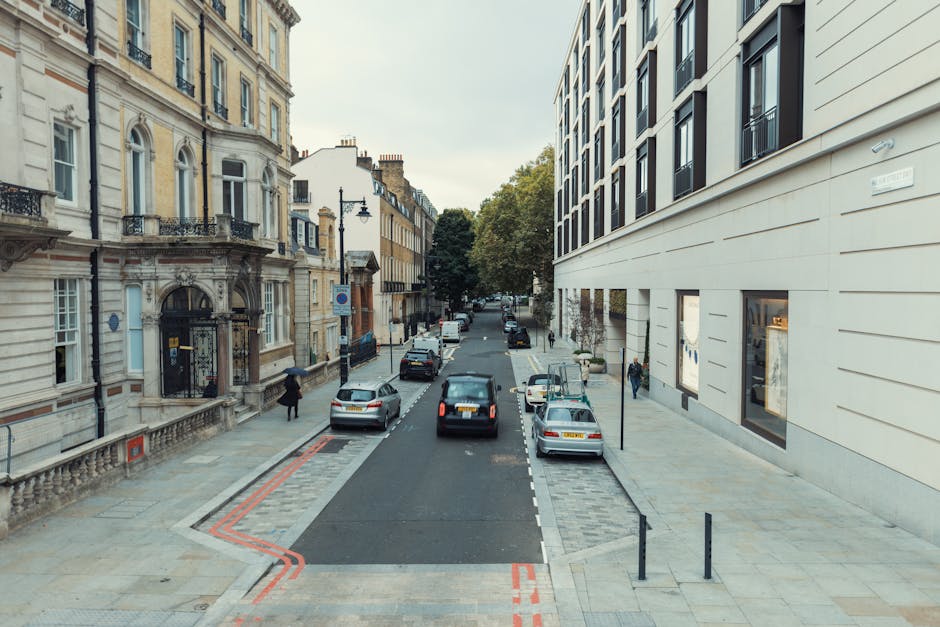
Millbank sits on the north bank of the River Thames in central London, forming part of the City of Westminster and lying close to the political heart of the capital. The area is closely associated with the Thames riverside, where the embankment provides a broad route beside the water and links to neighbouring districts such as Westminster, Pimlico and Westminster Abbey’s wider setting. Historically, Millbank became known for large institutional buildings, including the former Millbank Prison site, which was cleared in the nineteenth century and later redeveloped. That history gave way to government, residential and cultural uses, and the area now combines offices, flats and landmarks within a relatively compact river-edge district. Tate Britain is one of its best-known institutions, standing prominently on Millbank and helping to define the area’s cultural identity. The street pattern includes a mix of major roads and quieter side streets, while the river frontage offers a different character from the busier traffic corridors inland. Much of the surrounding fabric reflects London’s layering of architecture, with civic buildings, apartment blocks and older remnants of institutional planning coexisting in close proximity. The area’s position also places it within easy reach of Parliament, Victoria, Pimlico and the wider Westminster landscape, so it remains strongly connected to central London life. Millbank is therefore both highly urban and distinctly riverside, with a sense of place shaped by government, art, housing and the Thames rather than by retail centres or large open squares.
What affects the quotation

Quotation requests for van-based removals are usually straightforward when the job details are clear. The main variables are the quantity of items, the distance of travel, the amount of lifting involved and any access complications at pickup or drop-off. A move with easy parking and a few boxes will usually differ from one that includes multiple bulky items, upper-floor access or awkward entry routes. It is helpful to think of the quote as matching the real workload rather than a general idea of moving.
Support needs can also vary. Some customers only want transport, while others need help with loading, unloading or protective wrapping. That does not change the nature of the service, but it does affect how the work is planned. If there are special concerns such as delicate surfaces, narrow hallways or items that must not be stacked, mention them early. This gives a more realistic picture of the job and helps avoid unnecessary delay on the day.
If you are ready to discuss a move, please request a quotation and share the basic details of what needs to be moved. You can also explore our contact us page if you prefer to send an enquiry first, especially when the job has several parts or you want to compare options before making a decision. A few clear details are usually enough to begin.
Practical removals for different load sizes
Not every move needs the same kind of vehicle or handling plan. Some customers need a simple point-to-point transport service, while others need a more thoughtful arrangement for mixed loads that include furniture, boxes and a few fragile pieces. The wider removals page helps place that work in context, because it covers the sort of tasks that can sit alongside a man with van job when the load grows or becomes more complex.
There are also times when a customer only needs part of a property moved, such as a bedroom set, a kitchen table, archive boxes or a small office stock transfer. In those cases, a van-based removal is often the most efficient approach because it keeps the service proportionate to the job. It also avoids the need to pay for unnecessary vehicle space or a larger operation than the move actually requires.
For items that are especially awkward or time-sensitive, the focus should stay on planning rather than speed alone. A careful sequence of loading and unloading matters more than simply finishing quickly. If a load needs multiple stops, or if some items are travelling to storage and others to a second address, that can still be managed as long as the route and item grouping are made clear in advance.
Service details, security and responsible handling
A dependable moving service depends on both practical handling and sensible security around the goods in transit. The insurance and safety page is the place to look for the formal approach to those matters. In everyday terms, safe moving means assessing item weight, using good lifting technique, protecting surfaces where needed and keeping the load arranged so it remains stable during travel. These basics matter whether the job is domestic or commercial.
Customers often want to know what happens if an item is difficult to carry, too large for a standard route or likely to scratch walls and doorframes. The answer is usually to plan around the issue rather than force it. That may mean changing the carrying order, using protective materials, or treating the item separately from the rest of the load. A man with van service works best when there is enough information at the start to identify such issues before they become problems.
In practical terms, clear communication saves time. A brief description of the move, the addresses involved and any access concerns is usually enough to decide whether the job is suitable and how it should be quoted. Once those details are known, the service can be arranged around the actual task instead of a vague estimate.
Planning a move with less stress
Good planning does not need to be complicated. It usually comes down to organising what is moving, when it is moving and how it will be handled at each stage. The more a move is divided into manageable parts, the easier it becomes to lift, load and unload without confusion. That is especially true where the load includes a mixture of fragile objects, furniture and ordinary packed belongings that need different treatment.
When customers prepare a short inventory, the quotation tends to be more useful because it reflects the true volume and type of work. If the move includes any items that must be collected from more than one room, storage unit or building, that is worth stating as well. It is also sensible to mention if the property has restricted access, because route planning can affect how long the job takes and how simple the loading process will be.
For a wider sense of the vehicle and loading side of the work, the moving van and removal van pages offer related information. They are useful if you are trying to decide how a smaller removal fits into a general moving plan. If you would like to proceed, you can make a simple enquiry and ask for a quotation based on your item list and access details.