SW1P Removals: Narrow-Street Strategies for Millbank Homes
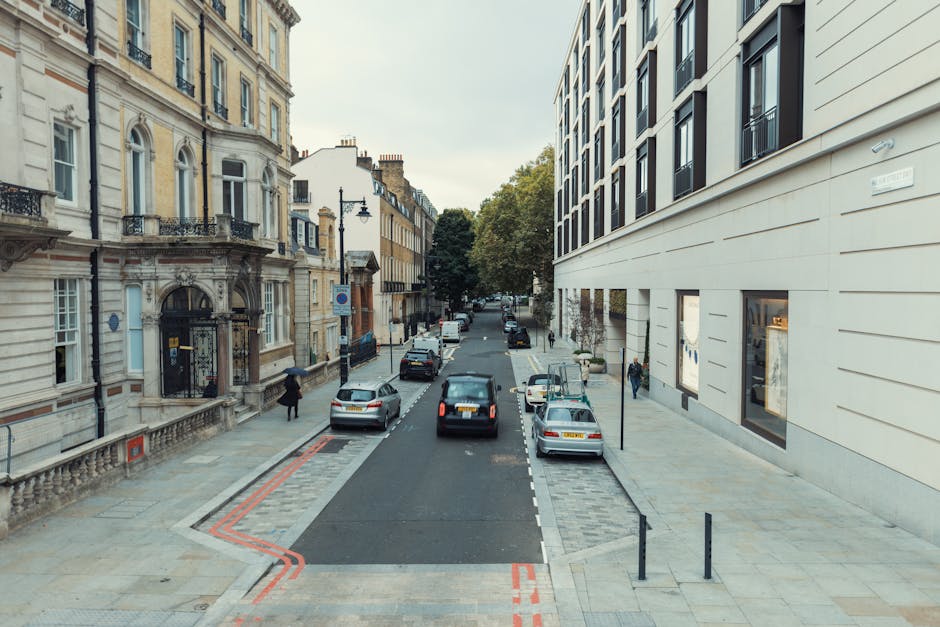
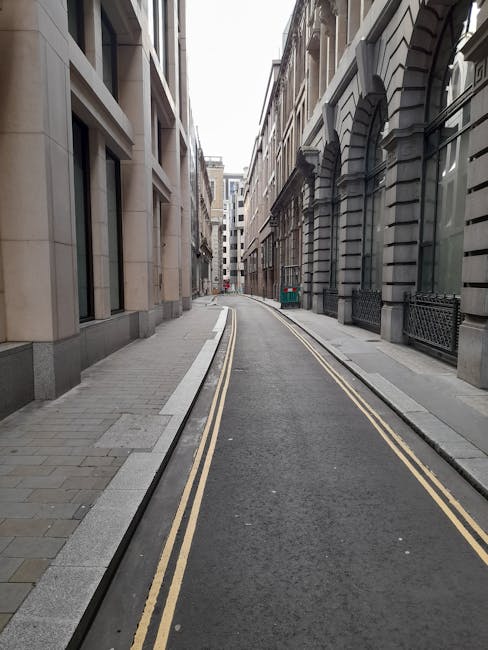
Moving in SW1P can feel deceptively simple on a map. In reality, Millbank homes often sit on narrow streets, shared access points, awkward parking bays, and tight turns that make even a short move more involved than people expect. That is where SW1P removals: narrow-street strategies for Millbank homes really matter. The difference between a smooth move and a stressful one is often not the size of the property, but how well the move is planned around the street outside it.
Whether you are leaving a flat near the river, shifting furniture between apartments, or trying to time a same-day collection around traffic and access, the right approach saves time, reduces damage, and keeps everyone calmer. Below, you will find a practical guide to what works in Millbank, what to avoid, and how to make a tight-location move feel much more manageable. Truth be told, a little local knowledge goes a long way here.
Why SW1P Removals: Narrow-Street Strategies for Millbank Homes Matters
Millbank has its own rhythm. Streets can be busy, access can be constrained, and parking can disappear faster than you can carry a sofa through a front door. For removals in SW1P, the street itself becomes part of the job. That is why planning for access is not a side note; it is central to the whole move.
Narrow-street strategies matter because they help you work with the environment rather than fight it. That might mean using a smaller vehicle, splitting the load into shuttle runs, pre-booking a loading window, or scheduling around peak traffic. If you ignore the street conditions, the rest of the plan gets shaky very quickly.
It also matters for safety. Tight corners, passing cyclists, low visibility at kerbside, and the urge to rush all increase the chance of scuffed walls, strained backs, or delayed arrivals. If you want a calmer move, start by thinking about the street, not the boxes.
For many households, a careful approach also helps protect the building itself. Communal hallways, lifts, stairwells, and entry points in Millbank apartments often need more respect than people expect. A well-run move should leave the property as tidy as it found it. If you are preparing a wider move, the guide on keeping a house move calm and organised is a useful companion read.
How SW1P Removals: Narrow-Street Strategies for Millbank Homes Works
The basic idea is straightforward: map the route from the property to the vehicle, then remove friction at every point. In a narrow-street move, the shortest route is not always the quickest. A slightly longer carry from a safer parking spot can be far better than trying to wedge a van into a lane that barely allows room for the mirrors.
A practical SW1P strategy usually includes five parts:
- Pre-move access check - confirm road width, turning space, loading restrictions, doorway clearance, and whether the vehicle can stop legally and safely.
- Load planning - decide which items go first, which can be dismantled, and which need two people or specialist equipment.
- Vehicle matching - choose a removal van or man-and-van setup that fits the street and the volume of goods.
- Timing strategy - avoid the busiest periods where possible and build in flexibility for delays.
- Protection and communication - wrap vulnerable items, protect walls and floors, and keep the team aligned on the route and order of loading.
This is where experience pays off. A good team can spot trouble before it turns into a problem. For instance, if a sofa looks easy to carry but the stairwell has a hard corner halfway up, the better move may be to remove legs, re-angle the carry, or choose a different route altogether. Small decisions, big impact.
If you want a deeper look at packing fundamentals, the step-by-step advice in packing smart for moving day is worth a look, especially before you start loading boxes into a tight vehicle space.
Key Benefits and Practical Advantages
Done well, a narrow-street removal is not just workable; it can actually be more efficient than a chaotic larger move. The main benefits are easy to feel on the day.
- Less stress at the kerb - a planned loading point means fewer last-minute decisions and fewer heated moments with traffic or neighbours.
- Lower damage risk - fewer awkward lifts, fewer hurried turns, and fewer chances of bumping doors, banisters, or vehicle panels.
- Better time control - a sensible route and vehicle choice reduce delays caused by unsuitable access.
- Improved safety - good lifting, better spacing, and slower, more deliberate movement reduce strain and accidents.
- Cleaner building access - hallways and shared spaces stay tidier when items are moved in a controlled sequence.
There is also a quieter benefit: confidence. People tend to feel far more settled when they know the move has been thought through properly. That matters. A move is already a lot to carry in your head, and not just in your hands.
For people downsizing or clearing out clutter before a move, pairing access planning with decluttering can make a huge difference. The article on streamlining your move through decluttering gives a practical way to cut down the load before moving day.
Who This Is For and When It Makes Sense
This approach is especially useful for anyone moving within or out of SW1P where streets are tight, parking is limited, or access involves shared entrances and staircases. In other words: a lot of Millbank households.
It tends to make sense for:
- Flat moves in mansion blocks or apartment buildings
- Households with bulky furniture and awkward stairwells
- Students moving in and out with limited time and lots of bags
- People needing a man with a van in Millbank for a smaller, faster move
- Families requiring a full house removals service in Millbank
- Anyone needing flexibility, such as same-day support or split-load transport
It is also relevant when you have one or two awkward items that simply cannot be treated like ordinary boxes. A piano, for example, is a different proposition altogether. If that is on your list, read why piano moves are best left to professionals before you decide how to proceed.
And if your move is relatively small but still time-sensitive, a local man and van in Millbank can sometimes be the most sensible fit. Not fancy. Just practical.
Step-by-Step Guidance
Here is a clear way to plan a narrow-street move in SW1P without getting lost in the details.
1. Survey the access before you pack a single box
Walk from the property to the street. Notice where the corners pinch, where the kerb is high, whether the entrance is shared, and whether there is room for a van to pause without blocking traffic. If you can, take photos. A few quick images often tell a removal team more than a long explanation ever could.
2. Match the vehicle to the street, not just the volume
A larger van is not always better in a narrow street. Sometimes a smaller removal van in Millbank is the smarter choice because it is easier to place, safer to unload, and less likely to create parking headaches.
3. Separate items by carry difficulty
Put heavy, fragile, and awkward items into their own categories. This matters because the order of loading should reflect what is easiest to reach first and what needs protection most. Beds, wardrobes, mirrors, and kitchen white goods all behave differently on a move. A mattress can be simple if handled properly; a fridge is another matter entirely.
4. Prep the furniture that needs it
Take legs off tables if possible, secure drawers, and wrap corners before the movers arrive. If you have bulky sofas or anything going into storage, a guide like sofa storage and protection tips can help you avoid avoidable wear and grime. A little prep saves a lot of fuss later.
5. Choose a loading order that reduces bottlenecks
Heavy or awkward items should not be left to the end when everyone is tired and the van is half-full. Start with the largest pieces if access allows, then move into stacked boxes and smaller items. That approach usually works better in constrained spaces because the team can still move freely at the start.
6. Protect the route inside the property
Use blankets, floor runners, or simple corner protection if the building layout makes it likely that walls will be brushed by furniture. In Millbank flats, it is often the tight turn at the bottom of the stairs that causes the problem, not the doorway itself. Funny how that works, isn't it?
7. Leave room for one final check
Before departure, walk through each room, cupboard, and storage area. A missed item in a narrow-street move can be expensive in time because the vehicle may already be loaded and parked in a limited zone. One last glance is never wasted.
If you are deciding whether to combine packing with removal support, the page on packing and boxes in Millbank is helpful for understanding what materials and preparation can speed things up.
Expert Tips for Better Results
After enough local moves, a few patterns become obvious. The job goes better when you think in terms of friction points, not just item counts.
- Book with access in mind - give accurate street details, floor level, lift access, and any known parking issues upfront.
- Keep the first-load items simple - if the van is tight on space, avoid burying essentials under awkward furniture.
- Use labels that tell you something useful - "kitchen - fragile" is better than "box 7".
- Measure anything large - especially wardrobes, sofas, mattresses, and headboards. Guessing is how people end up in a hall, muttering at a doorframe. It happens.
- Think about lifting technique early - not halfway down the stairs. If you want a refresher, this guide to safer lifting technique is a sensible read.
- Plan for storage if needed - if there is a gap between leaving one property and entering the next, local storage in Millbank can take the pressure off.
One small but useful habit: keep a bag for keys, chargers, documents, snacks, and any medication you need during the day. That bag stays with you. Not in the van. Not under a blanket. With you.
If you are moving only a few items, a local removal service in Millbank can be tailored to the job rather than forcing you into a one-size-fits-all package.
Common Mistakes to Avoid
Most narrow-street moving problems are predictable. That is the good news. The bad news is people repeat them anyway because the move feels small and manageable until the van turns up.
- Assuming street parking will be easy - in SW1P, availability can change quickly.
- Choosing a vehicle that is too large - it may look efficient on paper but create more access problems than it solves.
- Leaving packing too late - rushed boxes are weak boxes, and weak boxes split at the worst moment.
- Ignoring building rules - some flats have specific move-in or move-out expectations around lift use, noise, or protection.
- Forgetting awkward items - mattresses, mirrors, freezers, and pianos need more thought than standard boxes.
- Not checking the final empty property - one overlooked cupboard can cause an unnecessary return trip.
Another common mistake is treating heavy lifting as a personal challenge rather than a practical risk. If a piece feels borderline, it probably is. Better to ask for help than to test your back on a Tuesday morning.
For heavier or solo lifts, the article on making heavy lifting safer and simpler is a useful reminder that muscle alone is not a strategy.
Tools, Resources and Recommendations
You do not need a truckload of specialist equipment to move well in SW1P, but a few things make a big difference.
| Tool or Resource | Why It Helps in Narrow Streets | Best Used For |
|---|---|---|
| Furniture blankets | Protects corners and finishes when space is tight | Sofas, tables, wardrobes |
| Trolleys or dollies | Reduces manual carrying over short distances | Boxes, appliances, stacked loads |
| Stretch wrap and tape | Keeps drawers and loose parts secure in transit | Chests, small furniture, cables |
| Strong labels | Speeds up unloading and room placement | All boxed items |
| Parking and access notes | Helps the crew plan the safest stopping point | Any SW1P move |
For many households, the best resource is not equipment but preparation. A well-packed move with clear labelling usually beats an expensive but disorganised one. And if you are sorting fragile household items, the advice in bed and mattress moving hacks can help with two of the more awkward basics.
It is also worth checking service pages before you book. If you are comparing providers, the overview on local removal services and the broader guide to removals in Millbank can help you work out what level of support fits your move.
Law, Compliance, Standards, or Best Practice
For removals in a place like SW1P, compliance is mostly about practical responsibility and respect for local conditions. There is not one universal rulebook for every street, but there are clear best practices that reputable movers follow.
In general, that means:
- Parking and stopping only where allowed and safe
- Respecting communal areas and protecting floors, walls, and lifts where appropriate
- Using sensible manual handling methods to reduce injury risk
- Following the company's own health and safety policy
- Checking insurance and safety arrangements before booking
It is also good practice to understand booking terms, payment methods, and complaint routes before moving day. That sounds dry, I know, but these are the things that help people feel secure. If you want the formal side, the pages on terms and conditions, payment and security, and complaints procedure are worth reading ahead of time.
For customers who care about responsible disposal, the company's recycling and sustainability approach is another useful signpost, especially if the move includes unwanted furniture or mixed household items.
Options, Methods, or Comparison Table
Different moves call for different setups. In narrow-street Millbank work, the best option is often the one that balances access, speed, and cost rather than the one that sounds biggest.
| Option | Best For | Strengths | Possible Limits |
|---|---|---|---|
| Man and van | Smaller moves, single loads, quick collections | Flexible, nimble, often easier on narrow streets | May not suit larger household volumes |
| Removal van | Moderate loads and structured transport | More capacity, better for planned routes | Needs careful access planning in tight roads |
| Full house removals | Whole-home moves with multiple rooms of furniture | Efficient for larger jobs, better sequencing | More coordination required |
| Flat removals | Apartments, lifts, shared hallways | Designed around building access and timing | Can be slower if access is restrictive |
| Same-day removals | Urgent or short-notice situations | Fast response, practical when plans change | Less time for preparation |
If you are unsure which route suits you, start with the size of the load and the quality of access. People often focus on the house, but the street decides a surprising amount. For very time-sensitive jobs, same-day removals in Millbank can be a sensible option, provided access is straightforward enough to support it.
Students and renters should also look at student removals in Millbank if they need a lighter, more budget-conscious approach. It is often exactly the right fit for a room move or end-of-tenancy shuffle.
Case Study or Real-World Example
Consider a typical Millbank scenario: a second-floor flat move with a narrow road, no easy long-stay parking, and a sofa that only just fits around the stair bend. Nothing dramatic. Just enough friction to turn the morning awkward if nobody plans ahead.
In a case like this, a sensible removals team would usually:
- Confirm the loading point before arrival
- Use a vehicle size that can stop safely without blocking the street
- Protect the sofa and stairwell corners
- Carry the heaviest items first while everyone is still fresh
- Keep essential boxes separate so they can be unloaded quickly at the new address
One detail often overlooked is the order of disassembly. If a table can lose its legs in five minutes, that tiny action may save twenty minutes of awkward manoeuvring later. Small gains stack up. They really do.
In the same kind of move, a family with a freezer, bed frame, and a few fragile pieces might split the job between moving day and short-term storage. The right storage solution in Millbank can keep the schedule flexible, especially if keys, repairs, or completion timing shift at the last minute.
And if you are wondering whether your furniture should be prepared differently before moving or storage, the page on furniture removals in Millbank is a useful next stop.
Practical Checklist
Use this as a final check before moving day. It is simple, but it catches the usual trouble spots.
- Confirm the moving date, arrival window, and access details
- Check whether the street allows safe loading at your chosen time
- Measure large furniture and any tight corners or doorways
- Pack fragile items securely and label boxes clearly
- Separate essentials you will need immediately
- Protect floors, walls, and corners where needed
- Set aside keys, documents, chargers, and medications
- Plan for storage if there is a gap between properties
- Walk through every room before leaving
- Keep a calm pace on the day, even if the street feels busy
Expert summary: The best narrow-street move in SW1P is the one that treats the street, the building, and the load as one system. If you get those three parts aligned, the day usually feels far more controlled. Not perfect. Just controlled. And that is enough.
Get a free quote today and see how much you can save.
Conclusion
SW1P removals are rarely about brute force. They are about judgement, timing, and respect for the realities of Millbank streets. When you plan around access instead of hoping it will sort itself out, everything becomes easier: the lifting, the loading, the parking, and the mood of the day.
Whether you are moving from a flat, a family home, or a small student room, the same principle applies: a narrow street rewards careful planning. Keep the load sensible, the route clear, and the expectations realistic. That is the kind of move people remember for the right reasons.
If you are still comparing your options, take a moment to look through the wider removal companies in Millbank landscape and choose the support that fits your property, your schedule, and your street. A good move feels less like a scramble and more like a series of well-timed steps. Steady, simple, done.
Frequently Asked Questions
What makes SW1P removals different from other London moves?
SW1P moves often involve narrower streets, tighter parking, and more shared access points than many suburban jobs. That means the vehicle choice, timing, and loading plan matter more than usual.
Is a man and van service enough for a Millbank flat move?
Often, yes. For smaller flats or limited furniture, a man and van in Millbank can be a very efficient choice. For larger homes, you may need a fuller removals setup.
How do I know if my street is too narrow for a removal van?
The key question is not only width but whether the van can stop, load, and leave safely without blocking traffic or causing damage. If you are unsure, share photos and access notes before booking.
Should I book a larger van to save trips?
Not always. In narrow streets, a very large van can create more problems than it solves. A slightly smaller vehicle with a good loading plan can be the better option.
What items usually need special care during a SW1P move?
Sofas, mattresses, mirrors, pianos, large wardrobes, and appliances are the usual suspects. They are awkward in tight spaces and benefit from extra wrapping, planning, or specialist handling.
How early should I arrange a removal service in Millbank?
As early as possible if your dates are fixed. If the move is flexible or urgent, some teams can help with short notice, including same-day removals where feasible.
Can movers help if I need temporary storage?
Yes, many people use short-term storage when completion dates or keys do not line up neatly. The Millbank storage option can reduce pressure if you need breathing room.
Do I need to dismantle furniture before the move?
Only if it will help access, protect the item, or reduce the chance of damage. Beds, tables, and some wardrobes are often easier to move when partially dismantled. If you need help, the furniture page linked above is a good reference.
What should I do if parking is unpredictable on my street?
Tell the removals team in advance, and plan for a more flexible loading strategy. In some cases, a shorter carry from a safer stop point is better than aiming for a perfect kerbside space that never appears.
Are packing services worth it for a tight-street move?
They can be. Good packing reduces delays, protects items, and keeps the day moving. If you want to speed things up, packing and boxes support is worth considering.
How can I make my move safer for heavy items?
Use proper lifting technique, avoid rushing, and ask for help with anything awkward or heavy. If you are moving bulky pieces yourself, the lifting guidance linked earlier is useful and practical.
What should I check before I pay for a removal service?
Read the booking terms, payment details, and insurance information so you know what is included and how the process works. The linked policy pages are there for exactly that reason.