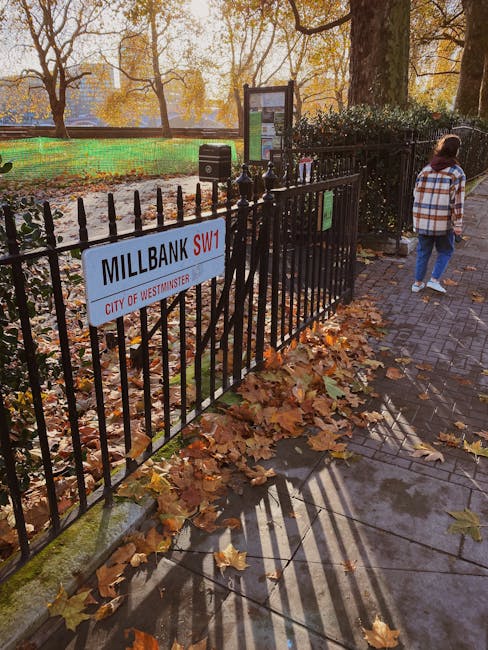
Millbank removals for gallery deliveries near Tate Britain
If you are arranging Millbank removals for gallery deliveries near Tate Britain, you are probably dealing with more than a simple drop-off. Artwork, framed pieces, plinths, display furniture, and fragile exhibition materials all need careful handling, and the area around Tate Britain brings its own realities: tight roads, time-sensitive access, pedestrians, loading restrictions, and the general London habit of making easy jobs feel a bit less easy. To be fair, that is exactly why a good moving plan matters.
This guide explains how gallery deliveries in Millbank typically work, what to watch out for, and how to reduce risk without overcomplicating the job. Whether you are moving a single artwork, restocking a gallery, or coordinating a larger cultural installation, the aim is simple: keep everything safe, on time, and under control.
And yes, there is a method to it. A decent one, in fact.
Table of Contents
- Why Millbank removals for gallery deliveries near Tate Britain matters
- How Millbank removals for gallery deliveries near Tate Britain works
- Key benefits and practical advantages
- Who this is for and when it makes sense
- Step-by-step guidance
- Expert tips for better results
- Common mistakes to avoid
- Tools, resources and recommendations
- Law, compliance, standards, or best practice
- Options, methods, or comparison table
- Case study or real-world example
- Practical checklist
- Conclusion
- Frequently asked questions
Why Millbank removals for gallery deliveries near Tate Britain Matters
Millbank sits in a part of London where timing, access, and presentation matter more than they do in a typical domestic move. Gallery deliveries are not just about getting something from A to B. They are about getting the right item to the right place, in the right condition, at the right moment, with as little disruption as possible.
Near Tate Britain, that can mean dealing with narrow approaches, busy pavements, controlled parking areas, and the need to avoid awkward delays when staff, couriers, or installers are waiting on-site. If an artwork arrives late, the whole schedule can unravel. If a crate is damaged on the way in, the consequences can be expensive and stressful. Nobody wants that call.
There is also a reputational side. Galleries, curators, dealers, artists, and collectors often judge the whole experience by how professionally the delivery is handled. A calm, careful arrival builds trust. A rushed or clumsy one can create friction instantly, even if the item itself is fine.
In practice, Millbank removals for gallery deliveries near Tate Britain matter because they combine three things that do not always play nicely together: valuable items, time pressure, and London logistics. If you respect all three, the move tends to go smoothly. Ignore one, and the day can become a bit of a mess.
How Millbank removals for gallery deliveries near Tate Britain Works
Most gallery deliveries in this area start with planning, not loading. That is the first useful distinction. A good removals team will want to know what is being moved, the dimensions, the weight, the fragility, the delivery window, and the access conditions at both ends. If the item is unusually delicate, they may also ask about packing, handling points, and whether any lifting equipment is needed.
The delivery process usually includes a route check, vehicle selection, careful loading, protective wrapping or crate handling, and a clear handover on arrival. For larger or more sensitive items, there may be a requirement for additional crew, tail-lift access, or staggered unloading. In some cases, the vehicle choice matters as much as the manpower. A smaller moving van may be easier to place near a loading point than a larger truck, especially in a busy central London setting.
Here is the part people sometimes miss: gallery delivery is often a chain of small decisions. If the wrap is wrong, if the timing is off, if the vehicle cannot wait, or if the receiving site is not ready, the whole job becomes harder than it needs to be. Not impossible. Just needlessly difficult.
That is why many customers compare options such as man with van support, dedicated removal services, or more specialised commercial moves depending on how formal and fragile the delivery is. A simple artwork drop and a multi-piece gallery install are not the same job, even if they happen on the same street.
Key Benefits and Practical Advantages
The strongest benefit of using a tailored removals approach for gallery deliveries is control. You are not improvising on the day. You are working from a plan that accounts for access, handling, and timing. That alone reduces a lot of stress.
Another major advantage is protection. Art, sculpture, framed prints, display units, and exhibition stock can all suffer from vibration, poor stacking, moisture, or rushed unloading. A careful removals setup helps reduce those risks. Truth be told, many damage issues happen in the boring bits: an over-tight strap, a poor lift, a box set down in the wrong place. Tiny things. Annoyingly tiny.
There is also efficiency. A team that knows how to handle deliveries near Tate Britain can usually work more smoothly around loading spaces, building access, and the practical rhythm of the area. That does not mean magic. It means fewer surprises.
Key advantages often include:
- better handling for fragile or high-value items
- more predictable delivery timing
- reduced risk of damage during loading and unloading
- clearer coordination with gallery staff or site contacts
- less disruption to exhibitions, openings, or setup schedules
- more appropriate vehicle choice for narrow or busy streets
If you are working to a launch deadline, that last point matters a lot more than it sounds. A van that can actually access the site is worth more than a bigger vehicle that needs a complicated shuffle.
Who This Is For and When It Makes Sense
This kind of removals support is a strong fit for gallery managers, artists, curators, framers, collectors, exhibition contractors, and anyone delivering cultural or decorative items in the Millbank and Tate Britain area. It also makes sense for offices, studios, and private buyers who need careful transport of artwork or design pieces.
It is especially useful when the delivery includes any of the following:
- framed art, canvas, or mixed-media work
- sculpture, plinths, or display fixtures
- mirrors, glass, or other breakable items
- event furniture or temporary exhibition equipment
- multiple drop-offs with different handling needs
- time-critical deliveries where a missed slot would be a problem
It also makes sense when you simply do not want to risk using a general courier for something that needs more care. Courier services can be fine for some items, but they are not always the best option for bulky, awkward, or highly sensitive pieces. One size does not fit all, despite what some booking forms quietly suggest.
If your move involves broader relocation needs, it may help to compare it with man and van removals, more structured house removals, or even office removals if the gallery is part of a wider business relocation. The right service depends on the item, not just the postcode.
Step-by-Step Guidance
If you want a calm delivery day, the process should start well before the van turns up. Here is a practical, no-nonsense approach that works in the real world.
- List every item clearly. Note dimensions, weight, fragility, packing type, and whether any item needs two-person handling.
- Check access at both ends. Look at entry width, stairs, lifts, parking, turning space, and where the vehicle can safely stop.
- Confirm the delivery window. A twenty-minute mismatch in central London can be enough to cause avoidable stress.
- Choose the right vehicle. A smaller van may be better for access; a larger vehicle may be needed for volume. Don't guess.
- Prepare packing and protection. Use the right wrapping, corner guards, blankets, crates, or separators for the item type.
- Brief everyone involved. The sender, driver, and receiver should all know the plan, contact details, and any site rules.
- Load with the unloading order in mind. Items needed first should not end up at the back under heavier stock.
- Inspect on arrival. Check condition before and after handling so any issue is caught early.
That may sound obvious written down, but in a live delivery the obvious steps are the ones people skip. Usually because they are in a rush. Usually because they think the job is "just a quick one." That is how small problems grow legs.
A useful rule: if the piece is expensive, sentimental, or impossible to replace, treat the delivery like a specialist job. Because it is.
Expert Tips for Better Results
First tip: never underestimate loading and parking in this part of London. A route that looks simple on a map can behave very differently in practice, especially if there is pedestrian activity, roadwork, or a restricted stopping area nearby. The van might be ten metres from the entrance, but ten metres in the wrong place can still be awkward.
Second tip: use better packaging than you think you need. If there is any doubt, add protection. Extra padding around frames, surface protection for polished finishes, and separate wrapping for surfaces that can mark easily all help. It is boring work, but boring is good when the cargo matters.
Third tip: label everything clearly. For gallery deliveries, this is more than neatness. Labels reduce confusion when several items arrive together, especially if there are multiple destinations, installation points, or unpacking stages. A simple handwritten note can save ten minutes of head-scratching. Sometimes more.
Fourth tip: schedule enough time for the handover. A rushed delivery is where mistakes creep in. If the receiving team needs to inspect, sign, or stage items before installation, allow for that. If you do not, the whole thing starts to feel like an over-caffeinated relay race.
Fifth tip: if the item is unusually valuable or difficult, speak plainly about it at booking stage. A good removals provider can only plan properly if they know what is coming. Hiding the tricky bit helps nobody.
Small practical extras that help a lot:
- keep contact numbers on both sides of the job
- take photographs before loading
- confirm who is signing for the delivery
- check whether any lift or loading bay booking is needed
- prepare a backup plan if access is blocked
Common Mistakes to Avoid
One of the biggest mistakes is assuming gallery items can be handled like standard household furniture. They often cannot. A cabinet may be strong, but a framed work, a sculpture, or a glass piece may need completely different handling. Treating them all the same is an easy way to create damage.
Another common problem is poor timing. People sometimes book the vehicle but forget that the gallery, studio, or receiving location may have narrow delivery windows or staff availability constraints. Then the van arrives, and nobody is quite ready. That awkward pause at the kerbside? Not ideal.
Other mistakes include:
- failing to measure doorways and item dimensions properly
- not checking parking or waiting restrictions in advance
- loading fragile items too tightly together
- using weak packing that shifts in transit
- forgetting to plan for rain, dust, or street-level exposure
- not confirming insurance or liability cover before moving valuable goods
There is also a subtle one: overconfidence. A small delivery can lull people into thinking the job is straightforward. Sometimes it is. But the moment an item is awkward, precious, or time-sensitive, the risks change quickly.
To be fair, most delivery problems are avoidable. That is the frustrating part. They are avoidable, but only if someone takes the boring checks seriously.
Tools, Resources and Recommendations
You do not need a warehouse full of specialist kit for every gallery delivery, but the right tools do make a difference. At minimum, a careful removals setup should have protective blankets, straps, trolleys, appropriate wrapping materials, gloves where needed, and secure transport space that prevents items from sliding around.
For more delicate or high-value work, extra items may be useful:
- corner protectors for frames and boards
- surface film or soft wrap for polished finishes
- foam or padding for vibration reduction
- sturdy crates or reinforced cartons
- labels and handling notes
- clipboard or job sheet for delivery confirmation
On the service side, it helps to work with a provider that is transparent about pricing, insurance, and handling standards. Pages such as pricing and quotes, insurance and safety, and health and safety policy can be useful when you want to understand how a company approaches the job. If a provider is vague about these basics, that is worth paying attention to.
If you are dealing with repeat gallery work, it can also be sensible to discuss regular support through removals or a more tailored removal company arrangement. Repeat jobs benefit from consistency. People, packaging, route habits, all of it.
Law, Compliance, Standards, or Best Practice
Gallery deliveries in central London sit within ordinary UK transport, safety, and property-handling expectations, so the main thing is to follow sensible best practice rather than gamble on shortcuts. Exact legal duties will vary depending on the item, building, vehicle, and site conditions, so it is wise to check the specifics of your job rather than assume one rule fits every move.
At a practical level, good compliance usually means:
- making sure items are safely packed and secured for transport
- using a vehicle suitable for the load and access conditions
- reducing manual-handling risk where items are heavy or awkward
- respecting site rules, building access instructions, and time windows
- keeping clear communication with the client or receiving venue
- using insurance cover that matches the nature of the items being moved
For businesses, it is also sensible to think about records: condition notes, photographs, delivery confirmation, and clear job instructions can all help if there is ever a dispute or query. That is not glamorous, but it is good practice.
If you are working with waste from packing, old fixtures, or unwanted exhibition materials, disposal should be handled carefully as well. A useful local read is Westminster waste rules for Millbank moves, which is relevant when a delivery job also creates clean-up work. And if a move involves disposal or recycling, the company's recycling and sustainability approach may matter more than you first think.
In short: be careful, be accurate, and do not assume. That is the quiet secret of a lot of good moving work.
Options, Methods, or Comparison Table
Not every gallery delivery needs the same setup. Some jobs are simple and local; others need more care, more space, or more coordination. Choosing the right method makes the day easier and often cheaper too, because you are not paying for unnecessary complexity.
| Method | Best for | Strengths | Limitations |
|---|---|---|---|
| Man and van | Small gallery drops, single items, flexible local deliveries | Agile, cost-conscious, easier in tight access areas | Less suitable for large installs or multi-item specialist handling |
| Dedicated removals team | Higher-value or more complex deliveries | More hands, more control, better for coordinated unloading | Usually costs more than a basic van hire option |
| Commercial move support | Gallery relocations, stock movements, repeated business deliveries | Better structure, planning, and consistency | May be more than you need for a one-off item |
| Basic courier | Small, robust, low-risk parcels | Simple to arrange | Not ideal for fragile, bulky, or valuable gallery items |
If you are unsure which option fits, start by asking what would happen if the item arrived late, partially damaged, or without the right equipment. The answer usually points you toward the right service. Simple, really. Not always easy, but simple.
Case Study or Real-World Example
Here is a realistic example. A small contemporary gallery near Tate Britain needs two framed works, one freestanding display plinth, and a box of exhibition materials moved from a nearby storage space to a show installation point. The items are valuable, but not enormous. The challenge is timing: the gallery can only receive the delivery during a narrow window, and the route has limited stopping space.
The solution is not to send a huge vehicle and hope for the best. Instead, the team confirms item dimensions, checks the access path, uses padded protection for the frames, secures the plinth separately to avoid scuffing, and schedules arrival during a quieter part of the day. On-site contact is ready in advance, so the handover is quick but not rushed.
The result? No drama. Which, for a gallery move, is usually the goal.
The interesting thing is how ordinary the successful job looks from the outside. No fanfare. No heroics. Just careful planning, the right vehicle, and a crew who understands that art and display items should not be treated like flat-pack furniture. A bit dull perhaps, but dull in the best possible way.
For moves of this kind, some customers also review related guidance on things like Tate Britain area loading bays and access times and parking permits and best times for Millbank moves to get a feel for the local rhythm before booking. That kind of preparation often pays off.
Practical Checklist
Use this checklist before the vehicle arrives. It is the kind of thing that saves you from a facepalm later.
- Confirm the delivery address and exact entry point
- Measure every item and compare it to access dimensions
- Check the lift, stairs, corridor width, and doorway clearance
- Confirm parking, loading, and waiting arrangements
- Agree the delivery window with the receiving contact
- Prepare suitable wrapping, padding, and labels
- Photograph items before loading
- Keep contact numbers accessible during transit
- Identify anything that needs two-person handling
- Check insurance and any special handling requirements
- Make sure the receiving area is clear and ready
- Inspect items on arrival and note any issues immediately
Expert summary: the safest gallery deliveries near Tate Britain are usually the ones that look slightly over-prepared on paper. That extra planning is what keeps the day calm when the street is busy and the schedule is tight.
Conclusion
Millbank removals for gallery deliveries near Tate Britain are all about thoughtful handling, local awareness, and steady execution. The area rewards preparation. If you know what you are moving, understand the access, choose the right support, and communicate clearly, the job becomes much easier than it first appears.
For galleries, artists, and collectors alike, the goal is not just delivery. It is confidence. Confidence that the item will arrive safely, that the schedule will hold, and that the people involved will know what they are doing. That is the kind of calm you can feel on the day, even before the van doors open.
If you are planning a move or delivery in the Millbank area, take the time to get the details right. It makes all the difference, honestly.
Get a free quote today and see how much you can save.
Frequently Asked Questions
What makes gallery deliveries in Millbank different from ordinary removals?
Gallery deliveries often involve fragile, valuable, or time-sensitive items, which means handling, timing, and access matter more than they do in a standard move. In Millbank, the local road layout and central London conditions add another layer of planning.
Can a man and van service handle gallery items near Tate Britain?
Yes, if the job is small enough and the items are suitable for van transport. A man and van setup can work well for single pieces, framed work, or short local deliveries, provided the packing and access are properly managed.
Do I need specialist packing for artwork deliveries?
Often, yes. The right packing depends on the item type, but artwork usually benefits from protective wrapping, corner protection, and secure positioning so it does not shift in transit. If in doubt, pack more carefully than you think you need to.
How early should I book a delivery in the Tate Britain area?
As early as you can, especially if the job has a fixed window or needs specific access planning. Short-notice moves can still happen, but they usually require quicker decisions and a bit more flexibility.
What should I check before a gallery delivery arrives?
Check access, parking, entry width, lift availability, the receiving contact, and whether the site is clear for unloading. A few minutes of checking can save a surprising amount of stress later.
Are there parking or access issues near Tate Britain?
There can be, yes. Central London locations often have limited stopping space, controlled parking, or specific loading expectations. That is why route and access planning should be part of the booking process, not an afterthought.
What if the item is very valuable or irreplaceable?
Then it is worth treating the delivery as a specialist move. Use careful packing, confirm insurance, keep condition records, and make sure everyone involved understands how delicate the item is. No one enjoys extra caution until they need it, and then it is priceless.
Can gallery deliveries also include installation equipment or display furniture?
Yes, and they often do. Plinths, shelving, lighting-related items, and temporary display materials can be moved alongside artwork, but they may need different packing and loading arrangements.
How do I reduce the risk of damage during unloading?
Make sure the unloading area is ready, use the right number of people, keep the route clear, and avoid rushing the handover. Damage often happens when people hurry at the final step.
Is insurance important for this type of move?
Very. If the items are fragile, expensive, or difficult to replace, insurance and clear responsibility matter a great deal. It is wise to check what is covered before the van leaves.
What if I have multiple pieces going to different rooms or floors?
Label everything clearly and plan the unloading order in advance. If the delivery involves different destinations, communicate that before arrival so the team can stage items in the right sequence.
Can I combine a gallery delivery with other removals work?
Sometimes, yes. If the items and timelines fit, gallery transport can be combined with other local removals or commercial work. The key is to make sure the handling needs are compatible and the vehicle has enough protected space.
What is the best way to get a realistic price?
Provide exact item details, access information, timing requirements, and any special handling notes. That gives you a much more accurate quote than a vague description like "a few things." The more precise you are, the less guesswork there is.
Where can I find more information about booking and planning?
It helps to review practical pages such as pricing and quotes, contact us, and about us if you want to understand how the service is structured and what level of support is available.